Portfolio
-
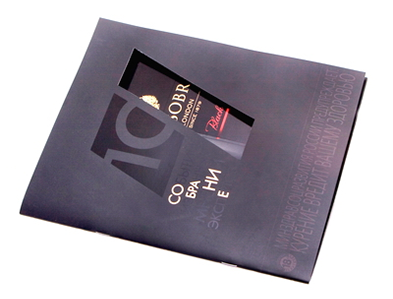
The"Collection" catalogDesign paper, cutting, foil stamping.
-
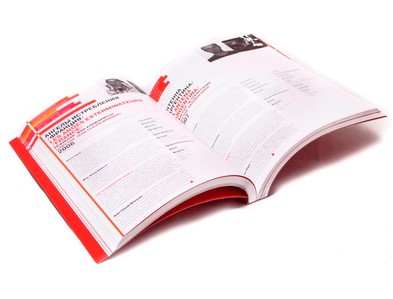
Magazine MMKFOffset printing, gluing on PUR-glue
-
A Guide to the Project Management Body of Knowledge (PMBOK® Guide)A Guide to the Project Management Body of Knowledge (PMBOK® Guide) – Seventh Edition and The Standard for Project Management (ENGLISH) Seventh edition.
Book Options: 377 pages of text, 6 Sections, 85 Chapters, 43 Videos, over 100 illustrations.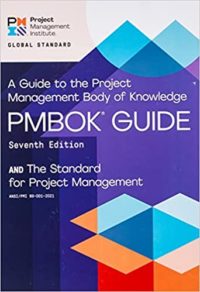
-
Biography of AtaturkAtaturk The Biography of the Founder of Modern Turkey Hardcover

-
The Time Regulation Institute (Penguin Modern Classics)The Time Regulation Institute appears here in English for the first time-more than fifty years after its original publication in Turkish. Paperback

-
Coin Album "US commemorative coin series "The album is intended for coin collecting. Format: 200*240 (mm). Binding: screw fastening.
Finishing: metallized foil stamping, corners.
-
Oil and Gas world historyA lavishly illustrated history of the development of the oil and gas industry in the world.

-
Controlling Mergers and Market Power: A Program for Reviving Antitrust in AmericaJohn Kwoka’s Controlling Mergers and Market Power: A Program for Reviving Antitrust in America is an important and timely contribution from a prominent antitrust economist and policy advisor.

-
Unbreakable Union about the Gulag and funny storiesA collection of short stories. List of works: Book design, Book cover design, Book layout, Book printing.
The format of the book: 90x60/16. Binding: KBS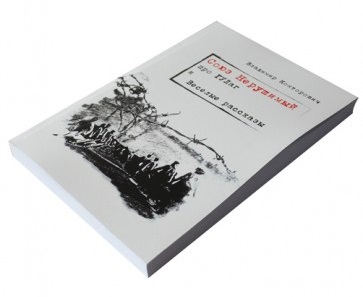
-
Coin Album "US commemorative coin series"The album is intended for coin collecting. Format: 200*240 (mm). Binding: screw fastening.
Finishing: metallized foil stamping, corners. -
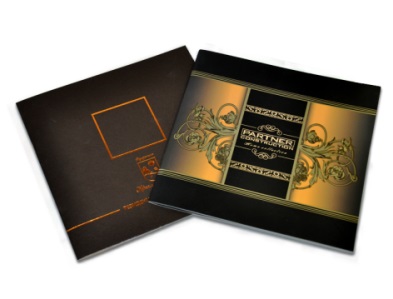
Apartment complex catalogueStaple binding. Full colour printing on photographic paper.
-
"The Three Musketeers""The Three Musketeers" is a historical-adventure novel by Alexandre Dumas-Father,
first published in the Parisian newspaper Le Siècle in 1844, March 14-July 11.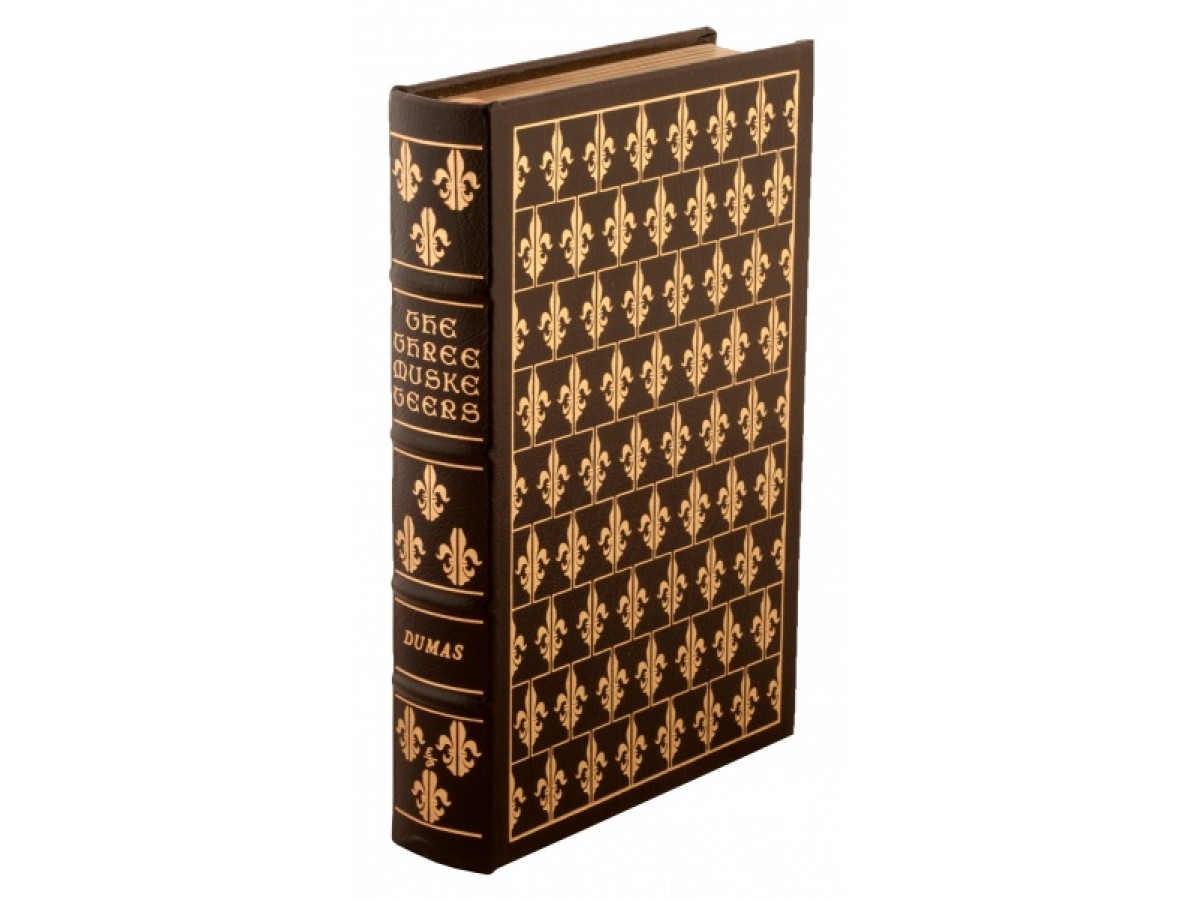
-
Wedding gliderWedding planner with selective 3D varnish.
A hardcover wedding planner stitched using classical technology. The full-color cover and selective varnish give the product a festive look.
The indoor unit is printed on a color machine. The paper weight is 80 gr.
The captal and lasse are matched to the overall design of the airframe. It turned out nice and pleasant.

-
The layout of a school photo albumLayout of the third category of complexity. More than two illustrations. formulas, boxes, complex wraparounds, illustrations, building infographics, etc.

-
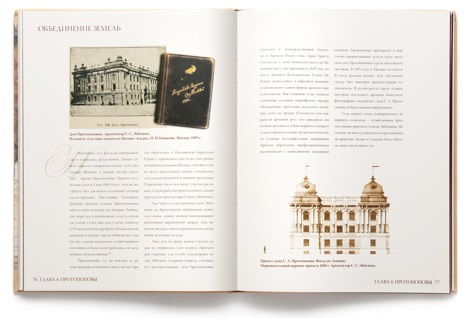
Layout of materials for the book Historical AlmanacLayout of the second category of complexity. Material containing no more than three objects per page, including tables, images, formulas.
-
Layout of materials for the book Historical AlmanacLayout of the second category of complexity. Material containing no more than three objects per page, including tables, images, formulas.
-
The layout of a school photo albumLayout of the third category of complexity. More than two illustrations. formulas, boxes, complex wraparounds, illustrations, building infographics, etc.
-
Editing of the texts of the book Historical AlmanacLiterary editing and proofreading of the texts of the book Historical Almanac
-
School photo album designDesigning a school photo album. Creation of the original layout of the photo book.
-
Layout of materials for the book Historical AlmanacLayout of the second category of complexity. Material containing no more than three objects per page, including tables, images, formulas.
-
Power System Control and Stability, 3rd EditionThe revised third edition of Power System Control and Stability continues to offer a comprehensive text on the fundamental principles and concepts of power system stability and control as well as new material on the latest developments in the field.

-
It's Okay to Be the Boss: The Step-by-Step Guide to Becoming the Manager Your Employees NeedIn this call–to–arms, consultant and speaker Bruce Tulgan puts his finger on biggest problem in corporate America: no one wants to be the boss.

Booklet printing

In today’s age of high technology and electronics, printed matter is not only a carrier of information, but also a powerful advertising tool. Polygraphy helps to show advertising products, provide them in the most attractive light, and does so in an original and exclusive way. According to sociologists, printed versions will remain for a long time in the perspective of mankind.
Printing brochures, books is a multi-operational, technically complex process, but at the same time fascinating and interesting
interesting. Making a printed product, whether it is a brochure or a book, starts with the customer. A brochure is a small book, in paperback, as a kind of advertising products, but it also happens to be with training topics. The size of the brochure is from 8 to 48 pages. Book is a literary or scientific work, made by handwriting or typography, usually larger than 48 pages, and usually in hardcover. With a finished, either informational or promotional book, brochure material, you need to decide on a financial budget, which includes a variety of book, brochure designs — from text, printed on newsprint, to full-color, made in excellent quality. The second issue of printing brochures, books is the volume of the printed product. If the number of copies is more than 1000, it is better to turn to classical offset printing method. If you need book or brochure printing in small quantities (small and medium print runs) or even a single copy, then you cannot do without modern digital printing. Digital printing is advantageous and profitable due to saving on expensive prepress operations, due to the fact that the document is printed directly from the computer, this saves a lot of time. If desired, you can view the copy or make a test printout to see the future finished product, and if necessary, you can correct errors and make changes before the printing. When printing books and brochures, the choice of printing house is of paramount importance: (mastery of offset and digital printing, ability to work with small and large print runs).
The quality of printed books and brochures is based on three important pillars: the idea itself, the design, and the quality of the printing. Once the funds for printing a brochure or book are determined, the circulation is clarified and the printing method is selected, you can begin the technological process of printing. If there is no layout of the brochure, book, then experienced designers will help to create a look and find the best, accurate way of its embodiment in a brochure, in a book, taking into account the purpose, specificity and style. The choice of paper (coated, glossy, matte, newspaper, offset), its density (thickness, the thicker the paper, the more expensive the printing), and also the whole range of postpress processing determines the quality, speed and cost of the order. The choice of binding type affects both the final appearance and the cost of the finished product.
Softcover and glue binding is the cheapest, but also the least durable option. A little more expensive and durable is soft binding with stitching. Well if the budget allows, there is no alternative to hard binding, it always looks nice, solid and expensive.
Modern equipment of printing houses, qualified staff, high-quality materials allow you to translate ideas into beautiful, original finished products when printing books and brochures.